
metal stamping services
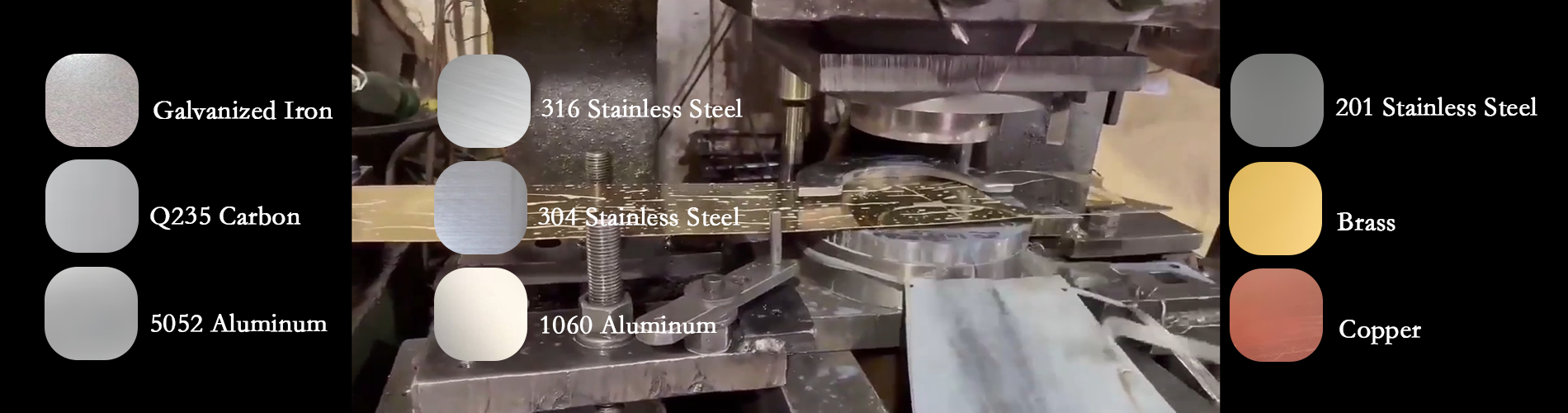
Canen:Custom stamping services
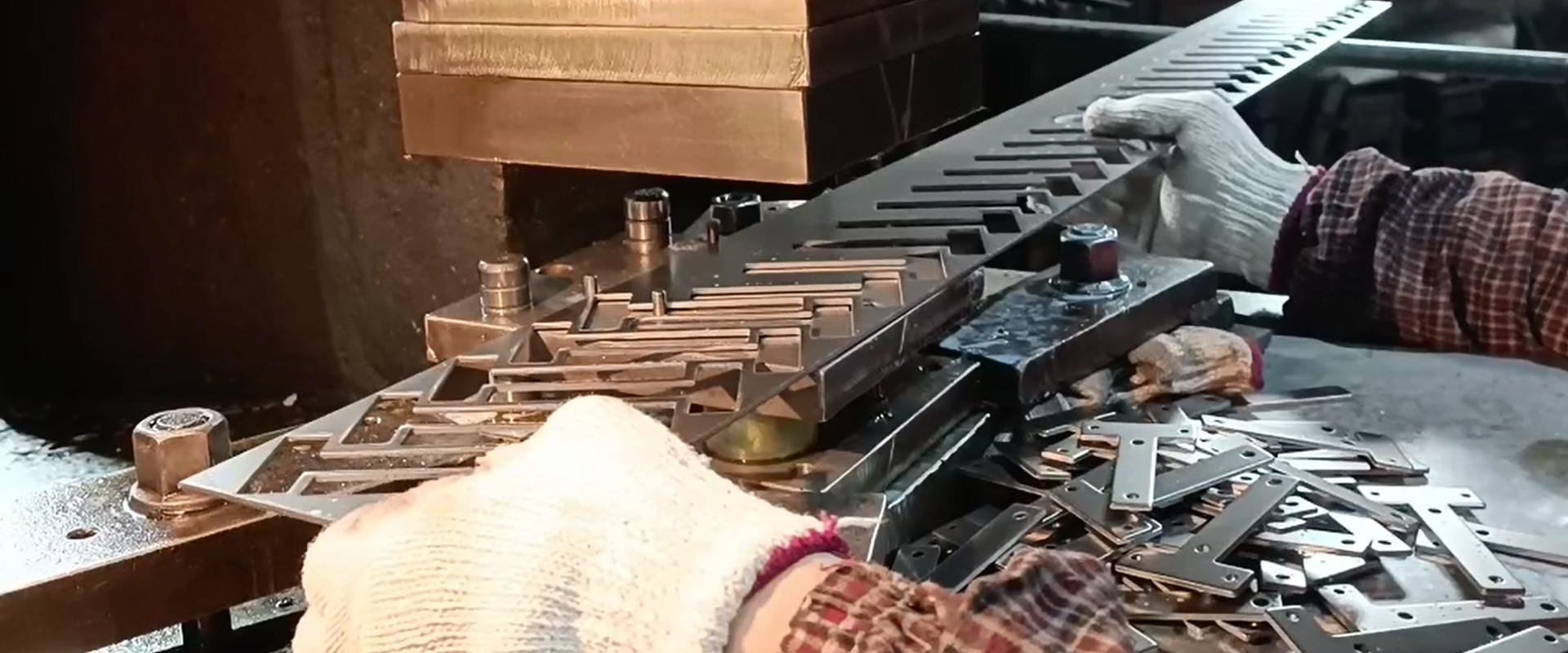
Metal stamping service:
Metal stamping is a processing technology that uses punching equipment and dies to apply external force to metal sheets to separate or plastically deform them, thereby obtaining parts with specific shapes, sizes and performance. As one of the core processes in the field of metal processing, stamping technology occupies an important position in modern industry with its advantages such as high efficiency, precision and energy saving.
The stamping process relies on the stroke movement of the punch press. The punch mounted on the slide cooperates with the die fixed on the workbench to apply local high pressure to the metal sheet placed between the dies. Depending on the purpose of the processing, it can be divided into three stages: elastic deformation stage (the material deforms within the elastic limit), plastic deformation stage (the material exceeds the yield strength and produces permanent deformation), and separation stage (the material breaks after reaching the tensile strength). The whole process is usually completed at room temperature without heating, which significantly reduces energy consumption.
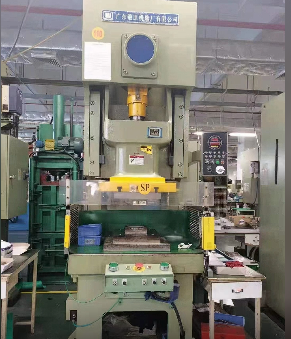 Advantages of metal stamping:
The stamping process has the advantages of high production efficiency (up to hundreds of pieces per minute), high material utilization rate (up to more than 90%), and good product consistency. Applicable materials include low-carbon steel, stainless steel, aluminum alloy, copper alloy, etc., especially suitable for batch production of thin-walled parts with complex structures and uniform wall thickness. Its cost advantage is particularly significant in orders of more than 10,000 pieces, and the unit cost can be reduced by 30%-50% after mold amortization.
 Metal stamping applications:
Stamping technology runs through the automotive, home appliance, electronics, hardware and other manufacturing industries. Automotive stamping parts account for 60%-70% of the weight of the entire vehicle (such as four doors and two covers, engine brackets); the home appliance industry relies on stamping to form refrigerator shells and washing machine panels; mobile phone middle frames and notebook shells in 3C products also rely on precision stamping. With the advancement of Industry 4.0, the stamping process is developing in the direction of multi-station automation, ultra-high-strength steel forming, micro-stamping, etc., with an accuracy of up to micron level, providing precision structural parts for aerospace, medical equipment and other fields.
Canen Common stamping specifications:
| Material | Optional thickness |
| Galvanized sheet | 0.5~4mm |
| Q235Carbon Steel | 0.5~4mm |
| 201Stainless steel | 0.5~4mm |
| 304Stainless steel | 0.5~4mm |
| 316Stainless steel | 0.5~4mm |
| 5052aluminum | 0.5~4mm |
| 1060aluminum | 0.5~4mm |
| Brass | 0.5~4mm |
| Copper | 0.5~4mm |