Aluminum Sheet Metal Fabrication
A Comprehensive Analysis of Aluminum Sheet Metal Fabrication
Why is aluminum the material of choice in the manufacturing industry?
Aluminum's unique physical and chemical properties make it an irreplaceable material in the manufacturing industry. Its combination of light weight and high strength, excellent corrosion resistance, and superior thermal and electrical conductivity make it a standout in numerous applications, particularly where other metals struggle.
Key Advantages
Excellent Formability:Aluminum's exceptional formability makes it easy to cut, weld, bend, and create complex shapes while maintaining structural integrity. This flexibility makes it an ideal choice for custom fabrication projects requiring high precision and performance.
Long-Term Cost-Effectiveness
Corrosion Resistance: The naturally formed oxide layer on aluminum's surface effectively protects against environmental damage, reducing the need for maintenance and replacement.
Recyclability: Aluminum is 100% recyclable without compromising performance, meeting environmental standards and reducing material procurement costs.
Lightweight and High Strength: Aluminum sheet metal's high strength-to-weight ratio significantly reduces product weight, making it particularly suitable for weight-sensitive industries such as aerospace and automotive. Design Freedom: Custom aluminum sheet metal fabrication enables complex designs and shapes without compromising material performance, meeting the innovative needs of engineers and designers.
Wide Range of Industry Applications
The versatility and strength of aluminum sheet metal make it a preferred material for commercial, industrial, and consumer applications. Benefits include:
Reduced Maintenance Costs: Corrosion resistance and durability extend product life.
Sustainability: High recyclability reduces environmental impact.
Innovative Design Support: Flexible processing capabilities drive product innovation.
Custom Aluminum Sheet Metal Fabrication Process
Custom aluminum sheet metal production covers the full workflow—design to delivery—with rigorous quality management for dependable results.
1. Consulting and Engineering Phase
Requirements Analysis Phase: Comprehensive stakeholder engagement clarifies the operational context and functional criteria for the part or product.
Key Consideration: Choose the right aluminum sheet—whether patterned or flat—and thickness to meet project needs.
2. Cutting and Forming Stage
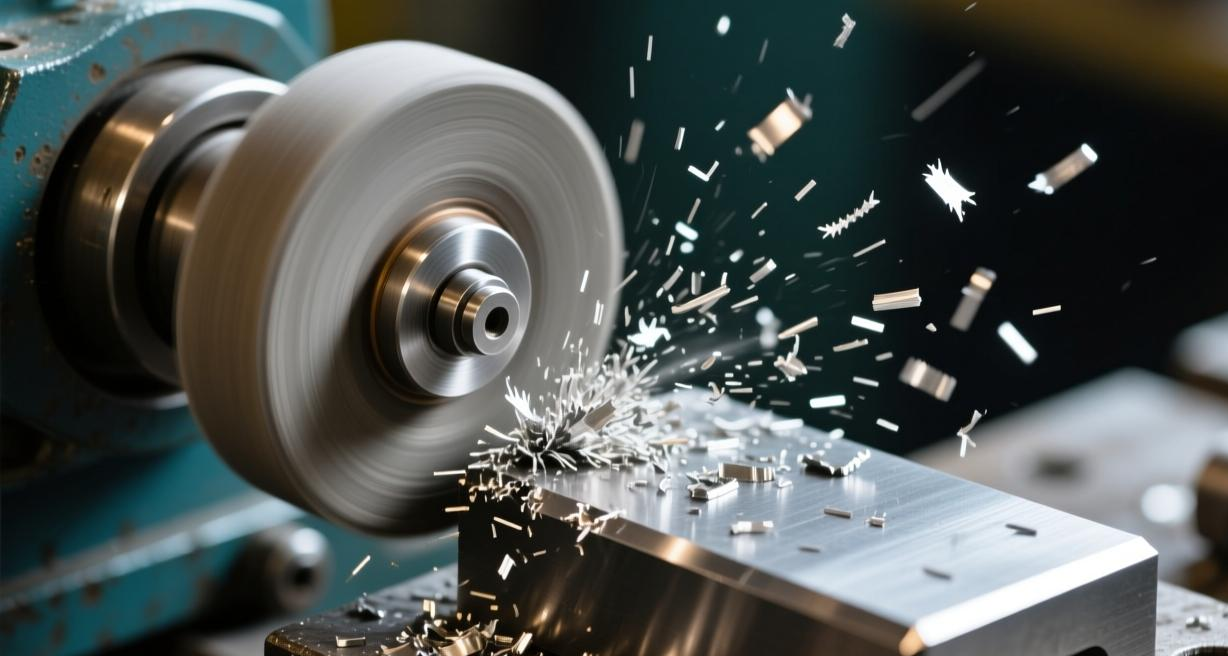
Precision-cut aluminum plates with CNC technology: Achieves micron accuracy and reduces waste. Common methods include laser cutting, water jet cutting, and shearing.
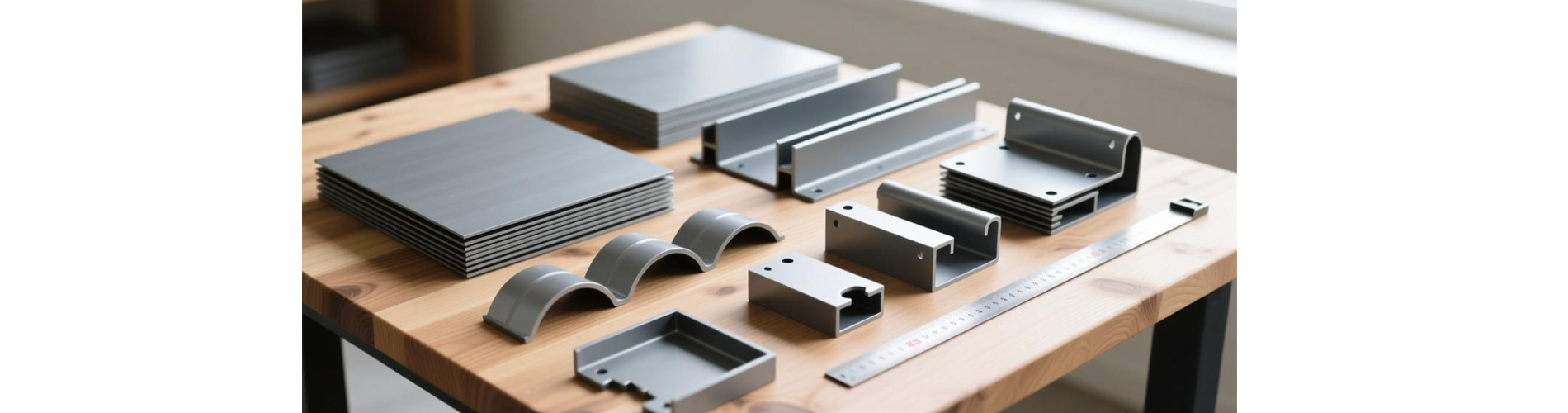
The process bends and forms aluminum sheet metal into the desired shape. For example, aluminum skirting boards are cut to precise dimensions and then bent or formed to fit around doors or other surfaces.
3. Assembly and Finishing Stage
Component Assembly: Aluminum components are assembled together according to design requirements. This may involve welding, fastening, or the use of adhesives. Skilled fabricators ensure that joints are secure and precisely aligned.
We use surface treatment options such as powder coating, anodizing, or painting to enhance appearance and corrosion resistance.
4. Quality Assurance Stage
Full-Process Quality Inspection: Quality inspections are conducted throughout the entire manufacturing process to ensure that each component meets dimensional tolerances and performance standards.
Special Item Inspection: For example, patterned aluminum sheets are carefully inspected for pattern, thickness, and surface treatment to ensure consistency and compliance with safety standards.
Industry Applications for Custom Aluminum Sheet Metal Fabrication
Aluminum sheet metal fabrication is widely used across several key industries. Its versatility and strength make it a preferred material for a wide range of applications.
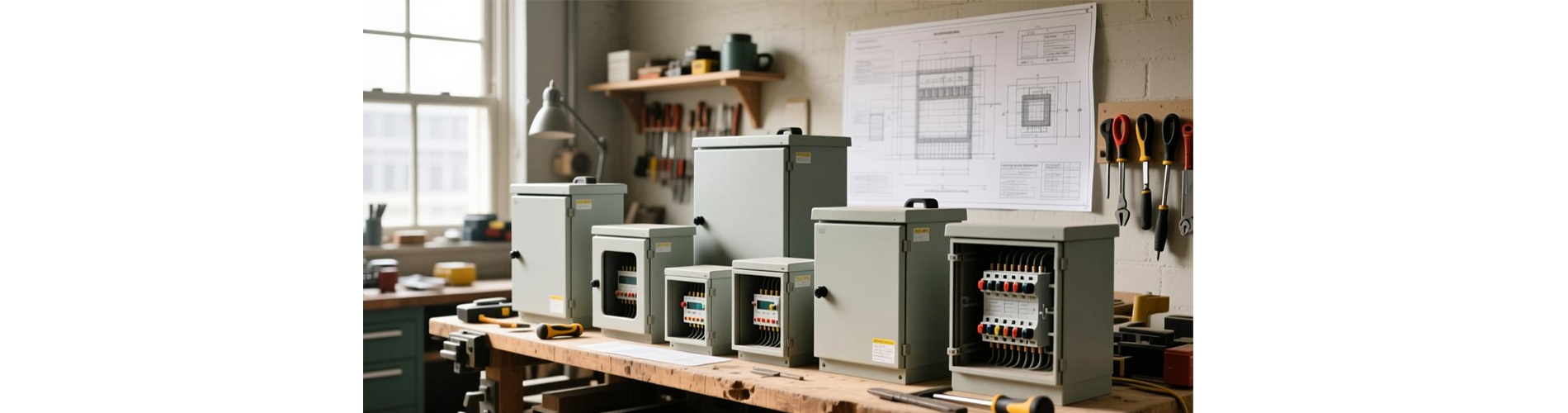
Electrical Enclosures
Non-magnetic and Corrosion-Resistant: Aluminum's non-magnetic and corrosion-resistant properties make it an ideal choice for electrical enclosures, protecting sensitive electrical components from environmental factors and interference.
We tailor enclosure dimensions to specific control systems or power units, meeting individual needs.
HVAC Systems
Aluminum's lightweight and high-temperature resistance make it ideal for ductwork and enclosures.
Seamless Integration: Custom aluminum sheet metal fabrication processes ensure that each component seamlessly integrates into the overall HVAC system, improving system efficiency.
Original Equipment Manufacturers (OEMs)
Precision Manufacturing: OEMs require precision-manufactured components that meet high standards, and aluminum is the material of choice due to its light weight, strong structure, and corrosion resistance.
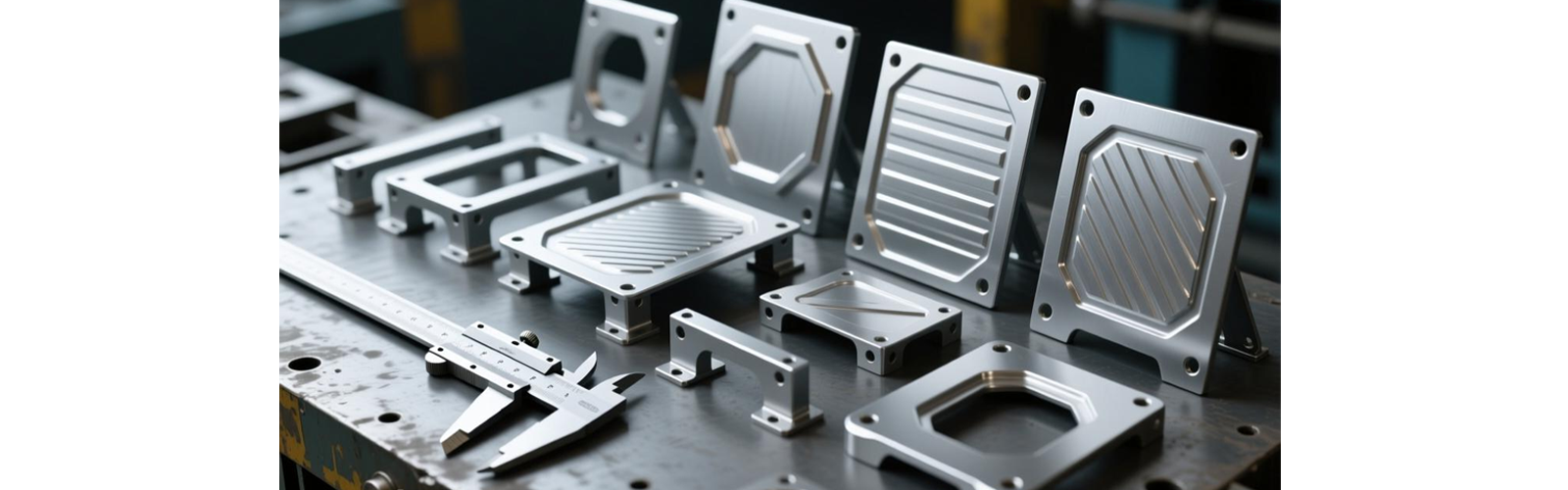
Perfect Match: Whether it's a bracket, panel, or enclosure, aluminum sheet metal can be perfectly matched to OEM specifications, meeting the demands of high-end manufacturing.
With its outstanding performance, advanced technology and wide range of industrial applications, aluminum manufacturing continues to play a key role in areas where performance and reliability are crucial, driving the manufacturing industry towards a more efficient and environmentally friendly direction.
Basic principles and definitions of metal forming technology
mild steel applications
Related Article