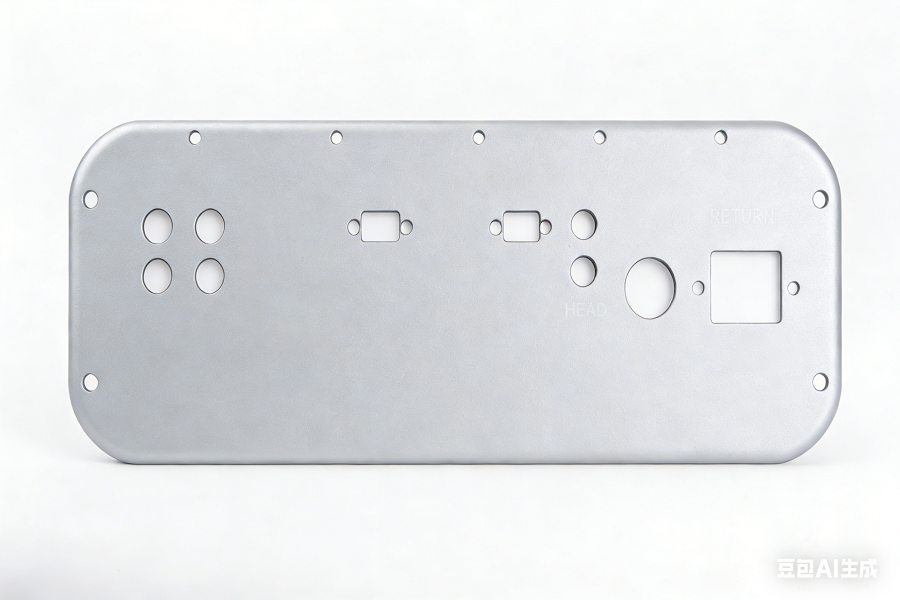
Steel column base plate
Steel Column Base Plates: Connection and Stability
In the steel skeleton of a building, the steel column base plate plays a crucial role. Like a bridge, it firmly supports the steel column at one end and embeds itself deeply into the foundation at the other, anchoring the majestic column firmly to the earth.
Connection: The Two Ends of a Bridge
The connection of the steel column base plate is the starting point of its mission. The connection between the steel column base plate and the column is typically achieved by welding or bolting. Welding provides a sturdy "coat" for the steel column and base plate, integrating them into a single unit and protecting them from wind, frost, rain, and snow. Bolting acts like an invisible lock, securely locking the column and base plate together and facilitating future removal and replacement.
The connection between the steel column base plate and the foundation presents a different story. During foundation construction, anchor bolts are pre-installed. The holes in the steel column base plate precisely match the anchor bolts. When the nuts are tightened, the steel column base plate is firmly connected to the foundation. This connection not only ensures the stability of the steel column but also allows for future adjustments. Stability: A Solid Foundation
A good connection ensures that the steel column baseplate can fulfill its stabilizing role. The stability of a steel column baseplate is primarily reflected in its inherent rigidity. The baseplate's thickness, material, and other parameters are carefully designed and calculated to ensure that it does not deform excessively when subjected to pressure from the steel columns.
Secondly, the contact area between the steel column baseplate and the foundation is crucial. A large contact area disperses the pressure from the steel columns, reducing the pressure per unit area and thus lowering the risk of baseplate damage. Furthermore, the friction between the baseplate and the foundation effectively prevents the steel columns from slipping under wind loads or earthquakes.
Practical Applications: Steel Column Baseplates in Engineering
Steel column baseplates are ubiquitous in real-world engineering. In high-rise buildings, steel column baseplates are key components that support structure. They securely anchor the steel columns to the foundation, ensuring the building's stability in wind and rain.
Steel column baseplates also play a vital role in industrial plants. Large equipment within these plants often generates significant vibration and impact. The steel column baseplate, through its strong connection and stability, transmits these forces to the foundation, protecting the factory building's structural safety.
In short, while small, the steel column baseplate plays an indispensable role in building structures. Its solid connection and reliable stability ensure the safety of our buildings.
A good connection ensures that the steel column baseplate can fulfill its stabilizing role. The stability of a steel column baseplate is primarily reflected in its inherent rigidity. The baseplate's thickness, material, and other parameters are carefully designed and calculated to ensure that it does not deform excessively when subjected to pressure from the steel columns.
Secondly, the contact area between the steel column baseplate and the foundation is crucial. A large contact area disperses the pressure from the steel columns, reducing the pressure per unit area and thus lowering the risk of baseplate damage. Furthermore, the friction between the baseplate and the foundation effectively prevents the steel columns from slipping under wind loads or earthquakes.
Practical Applications: Steel Column Baseplates in Engineering
Steel column baseplates are ubiquitous in real-world engineering. In high-rise buildings, steel column baseplates are key components that support structure. They securely anchor the steel columns to the foundation, ensuring the building's stability in wind and rain.
Steel column baseplates also play a vital role in industrial plants. Large equipment within these plants often generates significant vibration and impact. The steel column baseplate, through its strong connection and stability, transmits these forces to the foundation, protecting the factory building's structural safety.
In short, while small, the steel column baseplate plays an indispensable role in building structures. Its solid connection and reliable stability ensure the safety of our buildings.
Release time: 2025-08-23
Key Strategies for Optimizing Stamped Metal Part Costs
How to choose the right wood structure connector