CNC lathe machining

CNC lathe machining: a complete guide from programming to finished product
In modern manufacturing, CNC lathe processing has become an indispensable processing technology due to its high precision and high efficiency. From programming design to finished product delivery, the entire process involves multiple key links, and each step is crucial to ensure the quality and performance of the final product.
1. Programming design: the starting point of accurate planning
Programming design is the cornerstone of CNC lathe processing. First, engineers need to use computer-aided design (CAD) software to build a three-dimensional model of the part and generate detailed engineering drawings to provide an accurate blueprint for subsequent processing. Then, with the help of computer-aided manufacturing (CAM) software, CNC programs are written according to the drawings and processing requirements to clarify the tool path, cutting parameters and processing sequence. At this stage, the accuracy of the program directly determines the success or failure of the processing. Therefore, engineers also need to verify the program through simulation software to ensure that the definitions of the tool, machine tool and workpiece are accurate, and the processing path is reasonable and there are no collision interference problems.
2. Preparation before processing: Ensure that the equipment and tools are ready
Preparation before processing is the key to ensure smooth processing. Operators need to conduct a comprehensive inspection of the CNC lathe, including key components such as the spindle, guide rails, and lubrication system to ensure that the equipment is in the best operating condition. At the same time, select appropriate tools and fixtures according to processing requirements, ensure that the tools are sharp and firmly installed, and the fixtures can stably fix the workpiece. Careful preparation in this link can effectively avoid unexpected interruptions during processing and improve processing efficiency.
3. Formal processing: precise execution and full-process monitoring
Formal processing is the core link of CNC lathe processing. The operator needs to accurately place the workpiece to be processed on the machine table and fix it with a fixture. Then, perform tool setting operations, adjust the tool position and angle, and ensure that the processing path is consistent with the preset program. The trial cutting link is a key step to verify the accuracy of the program. Through trial cutting, potential problems can be discovered and corrected in time. After confirmation, start the machine tool and start formal processing according to the preset program. During the processing, the operator needs to monitor the operation status of the machine tool throughout the process to ensure the safety and stability of the processing process and respond to possible emergencies in a timely manner.
4. Post-processing: quality inspection and equipment maintenance
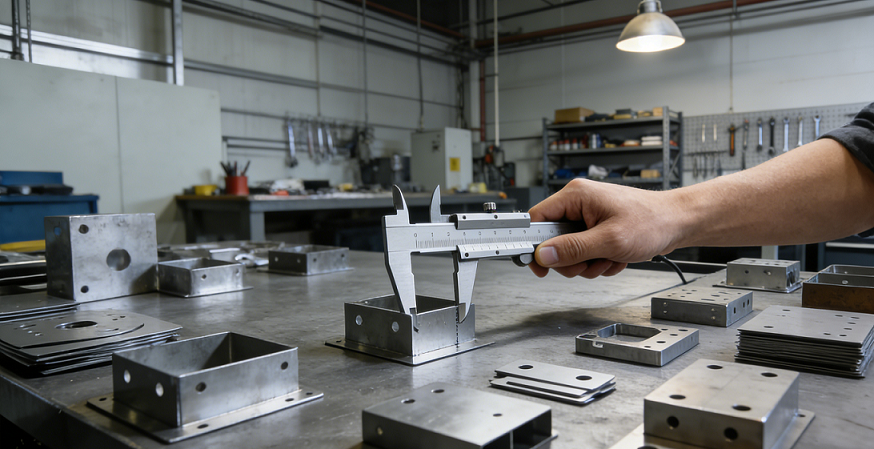
After processing, quality inspection is the last line of defense to ensure that the product meets the design requirements. Operators need to use high-precision measuring tools to test the key indicators such as size, shape and surface roughness of the processed parts. Only after strict quality inspection can the product enter the subsequent links. At the same time, after removing the fixture and workpiece, comprehensive cleaning and maintenance of the machine tool is an important link to ensure the long-term and stable operation of the equipment. Regular cleaning and maintenance can not only extend the service life of the equipment, but also provide a good equipment foundation for the next processing.
The entire process of CNC lathe processing, from programming and design to finished product delivery, each link is closely connected and indispensable. Through precise programming, sufficient preparation, strict execution and meticulous post-processing, CNC lathe processing can efficiently and accurately complete the manufacture of complex parts, providing strong technical support for modern manufacturing.
The breakthrough of customized processing
Cold stamping technology