Key Strategies for Optimizing Stamped Metal Part Costs
Three Key Strategies for Optimizing Stamped Metal Part Costs
For 20 years, we’ve helped clients optimize stamping costs through technological innovation—combining engineering excellence with automation to ensure consistent quality.
Specializing in safety-critical components, we bring proven expertise in rigorous quality management, process efficiency, and accelerate delivery—ensuring robust, turnkey solutions.
1. Optimizing Material Selection
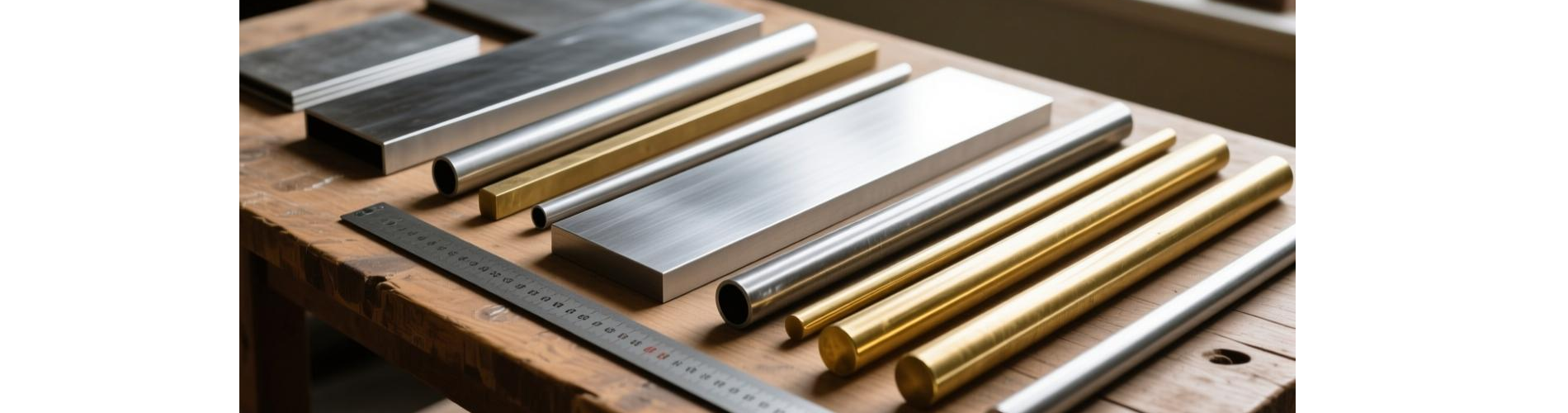
Raw material selection significantly impacts cost, and even subtle differences in performance can lead to significant cost fluctuations. For example, high-hardness materials require greater stamping force and longer processing times, increasing production costs. Conversely, softer, less abrasive materials simplify processing and reduce tool wear, saving time and money.
Raw material selection significantly impacts cost, and even subtle differences in performance can lead to significant cost fluctuations. For example, high-hardness materials require greater stamping force and longer processing times, increasing production costs. Conversely, softer, less abrasive materials simplify processing and reduce tool wear, saving time and money.
It is worth noting that many different materials can have very similar performance but significant price differences. Where component specifications allow, adopting a lower-cost substitute represents a justifiable operational choice.
For instance, replacing specialized alloys with ordinary steel—now permitted under updated standards—can yield substantial cost savings. Furthermore, apropos reducing material thickness or selecting a metal with greater ductility can maintain part functionality while further reducing material costs.
2. Cost Control in Mold Design
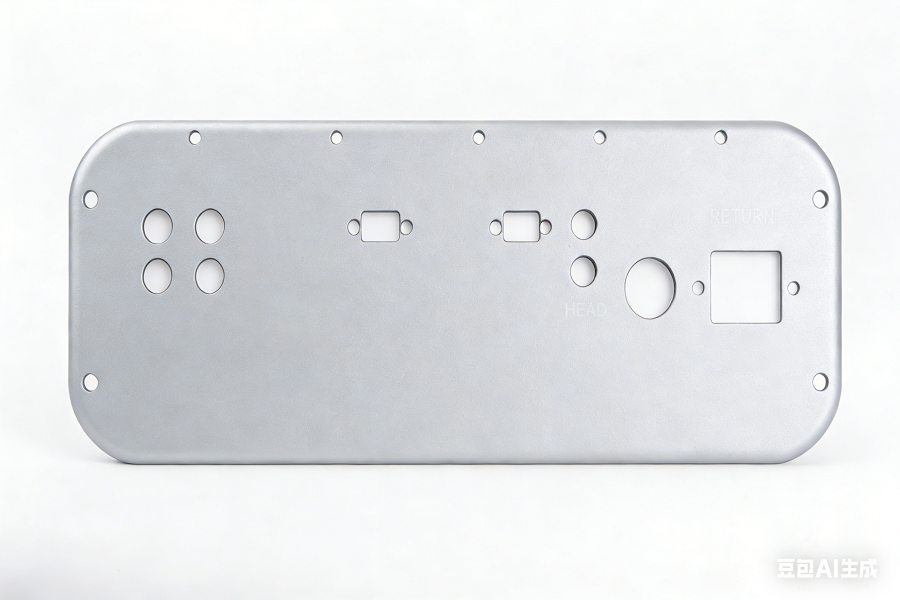
Mold design directly impacts production efficiency and overall costs. Replacing square holes with circular counterparts in mechanical components serves as a standard optimization method, effectively mitigating machining challenges and tool degradation. Complex geometric features often lead to excessive mold wear, increasing maintenance frequency and production downtime.
Mold design directly impacts production efficiency and overall costs. Replacing square holes with circular counterparts in mechanical components serves as a standard optimization method, effectively mitigating machining challenges and tool degradation. Complex geometric features often lead to excessive mold wear, increasing maintenance frequency and production downtime.
Simplifying part design can avoid many unnecessary tool Revise. For example, eliminating sharp corners or reducing complex features can extend mold life. We advise adopting a more stringent maintenance schedule for complex features requiring retention to avoid mold fatigue cracking. Cross-functional supplier engagement in tooling design achieves optimal balance between manufacturability and life-cycle cost efficiency.
3. The Art of Production Volume Management
Appropriate production volume planning is crucial for cost control. Batch production typically offers economies of scale, simplifies product design, and reduces unit costs. However, since excessively large batch sizes often result in inventory overstock, we recommend balancing production efficiency against inventory costs.
Appropriate production volume planning is crucial for cost control. Batch production typically offers economies of scale, simplifies product design, and reduces unit costs. However, since excessively large batch sizes often result in inventory overstock, we recommend balancing production efficiency against inventory costs.
Accurately estimating annual part usage is crucial to selecting the most economical production plan. For high-demand parts, a multi-cavity mold might be better. For products with changing demand, small-batch production could work well. Proactive production volume alignment with suppliers eliminates unplanned tooling CAPEX caused by demand surges.

Our Expertise
Global engineering partner delivering cost-optimized solutions across material selection, mold development and production strategy. Our dedicated team will work closely with you to ensure maximum cost-efficiency without sacrificing quality. Contact us today for a customized solution and quote tailored to your specific needs.
Customized chassis, intelligent manufacturing core
Steel column base plate