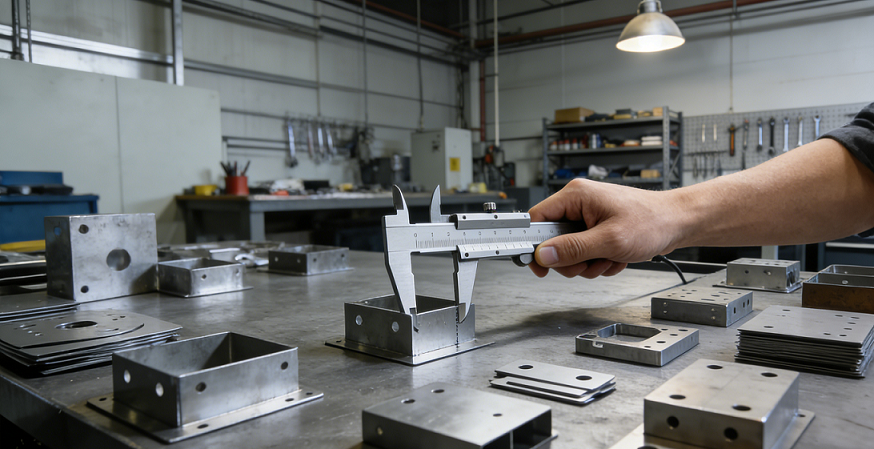
Cold stamping technology
Cold stamping technology: the perfect fusion of precision technology and efficient manufacturing
In the brilliant galaxy of the manufacturing industry, cold stamping technology has become a dazzling pearl in the field of plastic forming with its unique process charm. This technology relies on the powerful power of the press to apply precise pressure to the sheet through the mold in a low temperature environment to shape parts with various shapes and precise dimensions. This article will deeply explore the cold stamping forming process, analyze its process flow and wide application value.
1. Unique charm and outstanding characteristics of cold stamping technology
Cold stamping technology demonstrates extraordinary efficiency with its outstanding performance:
- Driver of complex structures: Whether it is a precise instrument component or a huge automotive structure, cold stamping can handle it with ease and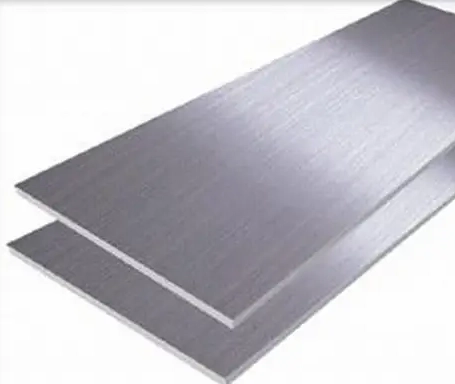 create extremely challenging shape designs.
- Double protection of quality and precision: High-precision molds provide excellent stability and interchangeability for cold stamping parts, and the dimensional accuracy can reach IT10 level or even higher, and can meet strict assembly requirements without subsequent processing.
- Lightweight and high-strength, consistent inside and outside: cold stamping parts are not only light in weight, but also have excellent strength, outstanding rigidity, and amazing surface finish.
- Efficient manufacturing, amazing speed: The production speed of large parts can reach several pieces per minute, and small parts can exceed thousands of pieces, with amazing production efficiency.
- Efficient material utilization, green and environmentally friendly: cold stamping can achieve a material utilization rate of up to 70% to 85%, and can even turn scraps into treasures to maximize the utilization of resources.
- Easy to operate, with a significant trend towards automation: Cold stamping simplifies the operation process, making it easier to achieve large-scale mechanized and automated production, significantly reducing labor costs.
- Limitations and applicability: Although the mold cost is relatively high, cold stamping is more suitable for mass production, but it is slightly inadequate for single-piece or small-batch production.
2. Diversification and refinement of cold stamping process
Cold stamping is cleverly divided into two major sections: separation process and plastic deformation process according to the needs of parts. They jointly bear the heavy responsibility of part forming and deformation.
- Separation process: Through precise contour cutting technology, ensure that the sheet can be accurately separated along the preset path, while ensuring the excellent performance of cross-section quality.
- Plastic deformation process: Without destroying the material structure, the blank is transformed into the required part shape and size through plastic deformation, thereby greatly improving production efficiency.
3. Careful selection of cold stamping materials
There are many types of cold stamping materials, from sheet materials, strip materials to block materials, each with its own characteristics. Among them, high-quality carbon structural steel and stainless steel have become the mainstream choice due to their excellent performance, and have strict requirements on thickness accuracy and surface quality.
- Ferrous metal family: covers carbon structural steel, alloy structural steel and carbon tool steel, among which cold-rolled steel sheets are subdivided into A, B and I, II, III and other grades according to accuracy and surface quality.
- Non-ferrous metal series: such as pure copper, brass, bronze, etc., which show excellent performance for specific application scenarios.
CNC lathe machining
About Sheet Metal Process