designing an enclosure
Custom Parts and Enclosures: Practical Tips
In scenarios like scientific research, field testing, or conference presentations, projects often require custom portable parts and enclosures. A key challenge is ensuring durability and functionality while also ensuring portability. Whether used for electronic devices, tools, or other instruments, designing an enclosure that is both lightweight and reliable is crucial.
This article will share practical design tips from the perspectives of material selection, structural optimization, ergonomics, and hardware integration to help you create a portable enclosure that meets your project needs.
1. Material Selection: Balancing Lightness, Strength, and Cost
The material directly determines the weight, strength, processing difficulty, and cost of an enclosure. Material selection is particularly critical for portable projects. The following is a comparison and recommendations of three common metal materials:
Aluminum: Lightweight, corrosion-resistant, and easy to process, it is suitable for weight-sensitive projects. It is one of the most commonly used materials for portable enclosures.
Stainless steel: High strength and excellent wear resistance make it suitable for industrial or outdoor environments. Although heavier than aluminum, it offers advantages in applications requiring greater durability.
Carbon steel: High strength and relatively low cost, suitable for applications requiring low weight but high mechanical loads. Rust resistance can be enhanced through painting or electroplating. Easier to process than stainless steel, but requires corrosion protection.
Recommendation: Choosing the thinnest material gauge, while meeting functional requirements, helps reduce overall weight while maintaining structural strength.
2. Structural Optimization: Balancing Lightweight and Stiffness
Structural design innovations can significantly reduce weight without sacrificing strength:
Thin Walls + Ribs: Incorporating structures such as bent flanges, brackets, or ribs into thin materials improves rigidity without significantly increasing weight.
Opening in Non-Critical Areas: Appropriate openings in areas that do not affect structural strength help reduce weight and improve heat dissipation.
Center of Gravity Control: Properly distributing internal components prevents center of gravity shift and enhances comfort and stability during handling.
3. Ergonomic Design: Making Portability More Comfortable
A portable enclosure should not only be "capable of storing" but also "easy to hold" and "useful":
Rounded and Chamfered Corners: Avoid sharp corners and use large radius rounded corners or CNC chamfers to enhance grip comfort and security.
Compact Form Factor: Prefer a simple, regular form factor, avoiding protruding or irregular structures, to facilitate easy storage in a backpack or suitcase.
Standard Enclosure Reference: Consider customizable aluminum die-cast enclosures, especially in standard series such as waterproof and lightweight, which offer a variety of small sizes for quick integration and modification.
4. Hardware Integration: Improving Portability and Operational Efficiency
Appropriate accessories can significantly enhance the portability and user experience of an enclosure:
Built-in Handles: Can be directly integrated into sheet metal or machined enclosures, reducing additional parts and maintaining a simple design.
Wheels and Casters: Suitable for large or heavy enclosures, they facilitate mobility and can be locked for stability.
Quick-Opening Features: Hinges, latches, and quick-release screws facilitate quick opening and maintenance, saving time on-site.
5. Internal Component Layout: Balancing Structure and Serviceability
If your project requires the installation of electronic components or internal modules, it's recommended to plan the internal layout in advance:
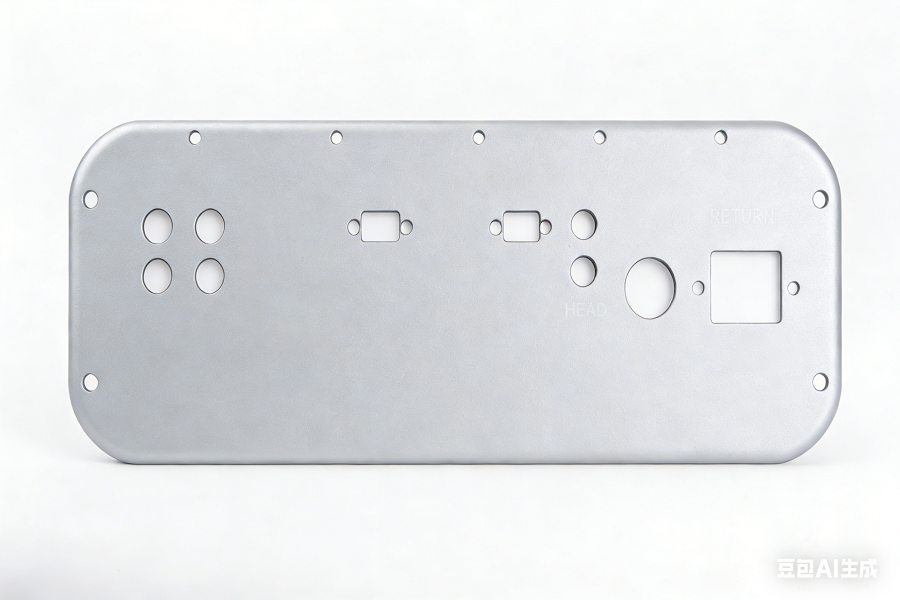
Custom Panel Design: Custom mounting panels can be designed based on the enclosure dimensions to support the securement and heat dissipation of components such as circuit boards and power modules.
Connector Positioning: Connectors, interfaces, and heat dissipation holes should be strategically placed to avoid interference with the enclosure structure and improve assembly efficiency.
Conclusion
Designing a portable enclosure doesn't have to compromise between functionality and portability. Through the appropriate selection of materials (such as aluminum, stainless steel, or carbon steel), structural optimization, ergonomic design, and hardware integration, you can create a customized solution that is both durable and lightweight.
For further support, standard enclosure templates, or material selection recommendations, please feel free to contact us.
metal design
Customized chassis, intelligent manufacturing core