The Protective Power of Phosphating on Metal Surfaces
The Protective Power of Phosphating on Metal Surfaces
Phosphating is a metal surface treatment technology widely used in industry. It forms a dense phosphate film on the metal surface, providing multiple layers of protection. This seemingly simple technology embodies the originality of modern industrial manufacturing.
Basic Principles of Phosphating
Phosphating involves immersing a metal workpiece in a solution containing phosphates. Through a chemical reaction, an insoluble phosphate crystalline film forms on the metal surface. The film's composition commonly features phosphate compounds (e.g., zinc, manganese, or iron phosphates). Its thickness typically spans from a few microns up to tens of microns.
Phosphate film formation modifies the metal surface's physical state while adding new properties.
Main Types of Phosphating
Phosphating can be categorized into several types depending on the treatment solution and process:
Zinc phosphating creates a microcrystalline zinc phosphate layer with high corrosion protection, widely adopted in automotive and household appliance applications.
Manganese-based phosphating: This process forms a manganese phosphate coating characterized by high hardness and excellent wear resistance. These properties make it a common choice for precision instruments and military equipment.
Iron phosphating employs an iron phosphate solution for surface treatment. This process is straightforward and economical, ideal for applications with moderate corrosion resistance requirements.
Key Advantages of Phosphating
Phosphating treatment offers multiple benefits to metals:
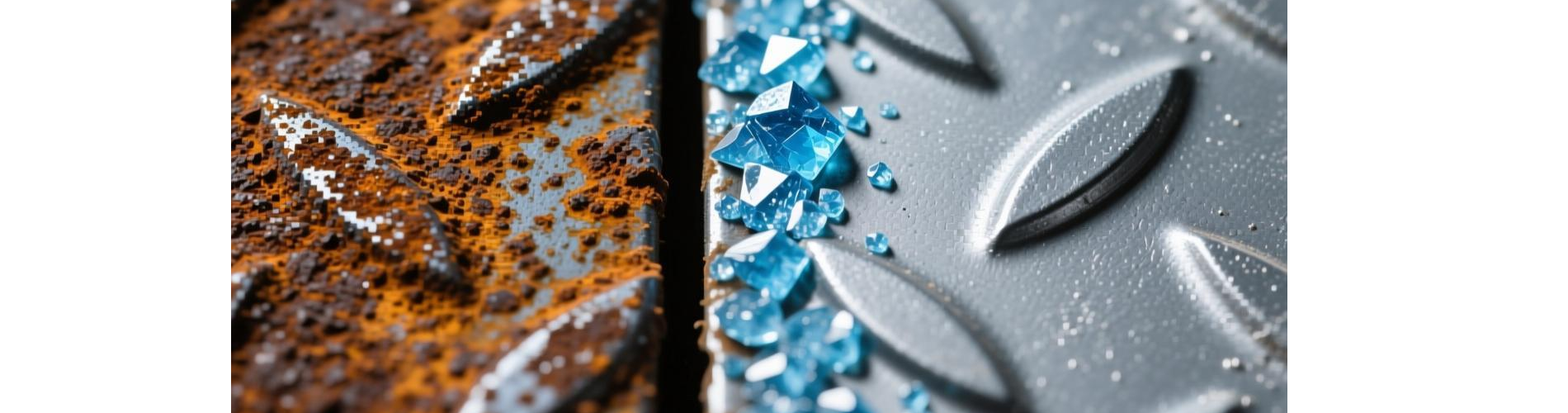
Enhanced Corrosion Resistance: The phosphate film acts as a physical barrier, effectively isolating the metal from corrosive media, significantly extending the service life of metal products.
Enhanced Paint Adhesion: The porous phosphate coating creates an excellent bonding surface for paint, resulting in increased durability.
Improved Lubricity: The phosphate film lowers friction on metal surfaces, making it ideal for parts requiring sliding fits.
Improved Wear Resistance: The hard phosphate film effectively resists wear and protects the metal substrate.
Applications of Phosphating
Phosphating technology has penetrated every aspect of modern industry:
Automotive Manufacturing: Phosphating body and chassis components enhances their corrosion resistance against road salt and harsh weather.
Home Appliance Industry: Phosphating treatment enhances the aesthetics and durability of metal housings for refrigerators, washing machines, and other products.
Aerospace Industry: Phosphating treatment of precision components reduces friction loss and improves reliability.
Hardware Tools: Phosphating treatment significantly enhances the rust resistance of tools such as wrenches and pliers.
Environmental Considerations of Phosphating Processes
With increasingly stringent environmental requirements, modern phosphating processes are constantly evolving:
Developing nickel-free and chromium-free environmentally friendly phosphating solutions to reduce heavy metal pollution.
Optimizing process parameters to reduce energy consumption and wastewater discharge.
Using closed-loop systems to improve chemical utilization.
As an important metal surface treatment method, phosphating technology continues to innovate and develop. Advancing with novel materials and processes, phosphating technology will grow greener, smarter, and more efficient, steadfastly underpinning industrial manufacturing.
forming processes
Metal Stamping The Secret to Fast Cutting and Forming