What is sheet metal fabrication
What is sheet metal fabrication?
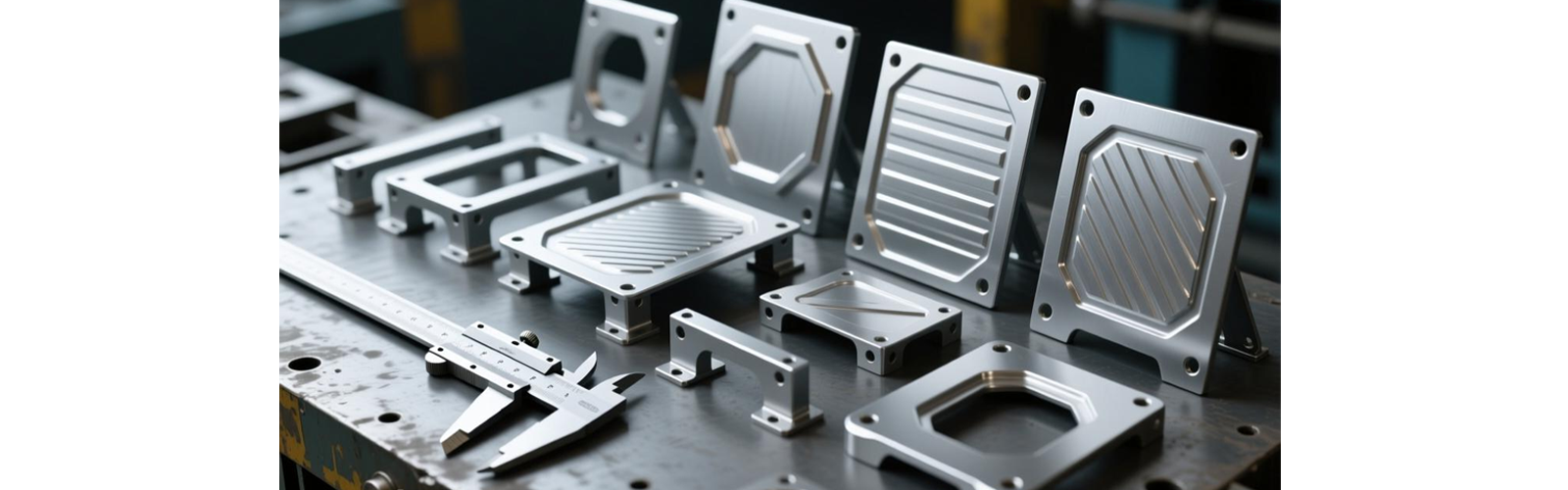
Sheet metal fabrication is a manufacturing process that converts flat metal sheets into finished products using various techniques and machinery. These techniques include laser cutting, bending, forming, and assembling metal into desired shapes and structures, allowing for the creation of customized components for countless applications.
This process accommodates a broad spectrum of metals, such as stainless steel, aluminum, copper, brass, zinc, and regular steel. Sheet metal thickness typically ranges from 0.006 to 0.25 inches, with thinner sheets offering greater flexibility for intricate designs, while thicker sheets are ideal for heavy-duty projects requiring durability and strength.
Modern sheet metal fabrication often integrates computer-aided design (CAD) software to generate precise 3D models of the intended product. These detailed designs are then converted into machine code (G-code), which guides fabrication machinery to execute accurate cuts, bends, joins, and forming processes. This combination of technology ensures efficiency, precision, and consistency in producing high-quality metal-based goods.
Types of Sheet Metal Fabrication Techniques
Sheet metal fabrication encompasses several techniques that cater to diverse design requirements. Understanding and choosing the right technique is critical for achieving optimal efficiency and compatibility with specific projects. The primary categories include cutting, forming, and joining sheet metal.
- Cutting Sheet Metal
Cutting is often the starting point in the fabrication process, shaping metal sheets into required dimensions or patterns. There are two primary cutting methods: cutting with shear and cutting without shear.
- Cutting Without Shear
This category involves advanced methods of slicing sheet metal without applying direct shear force. These techniques leverage heat, pressure, vaporization, or abrasive methods to accurately cut through materials. Common cutting technologies include:
- Laser Cutting
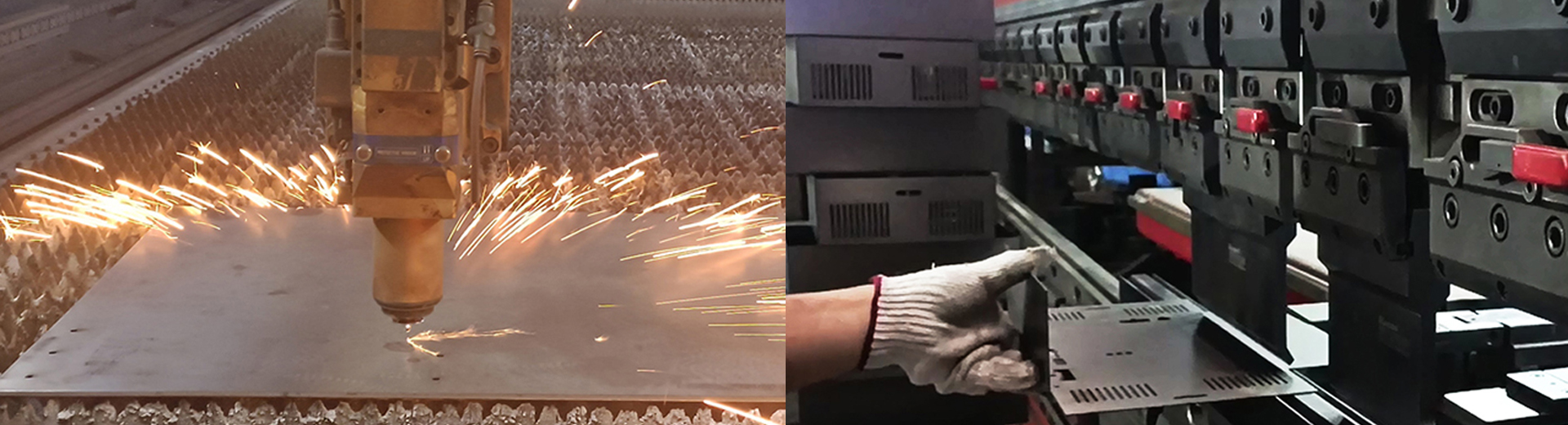
Laser cutting uses concentrated laser beams to melt and vaporize localized areas of the sheet metal. It is compatible with a range of metals like stainless steel and mild steel. The process consists of a high-powered laser beam targeting the material while a cutting nozzle emits oxygen or nitrogen gas to prevent splashes or vapor interference. Laser cutting is particularly valued for its precision and clean edges.
- Plasma Cutting
Plasma cutting uses ionized gas (plasma) to generate intense heat that slices through metal materials. Though it produces burrs and an oxidized zone near the cut area, plasma cutting offers rapid execution, high precision, and repeatability. It is effective on electrically conductive metals.
- Waterjet Cutting
Waterjet cutting involves a high-pressure jet of water mixed with abrasives to cut through both hard and soft materials. This method is versatile, capable of precisely slicing through metals like copper, aluminum, and carbon steel while also handling delicate materials like rubber or fabric. With water pressure reaching approximately 60,000 psi at velocities up to 610 m/s, waterjet cutting is an environmentally friendly alternative to laser cutting.
Sheet metal fabrication techniques play a crucial role in shaping raw materials into components or products suited for specialized needs across industries. By leveraging cutting-edge technology and innovative methods, manufacturers can achieve exceptional precision, durability, and design efficiency.
Customized Sheet metal fabrication for bulding